Build Gallery
Real builds from students, educators, and researchers around the world. Every satellite here was designed on Defiant and 3D-printed on consumer FDM printers.
Featured Builds
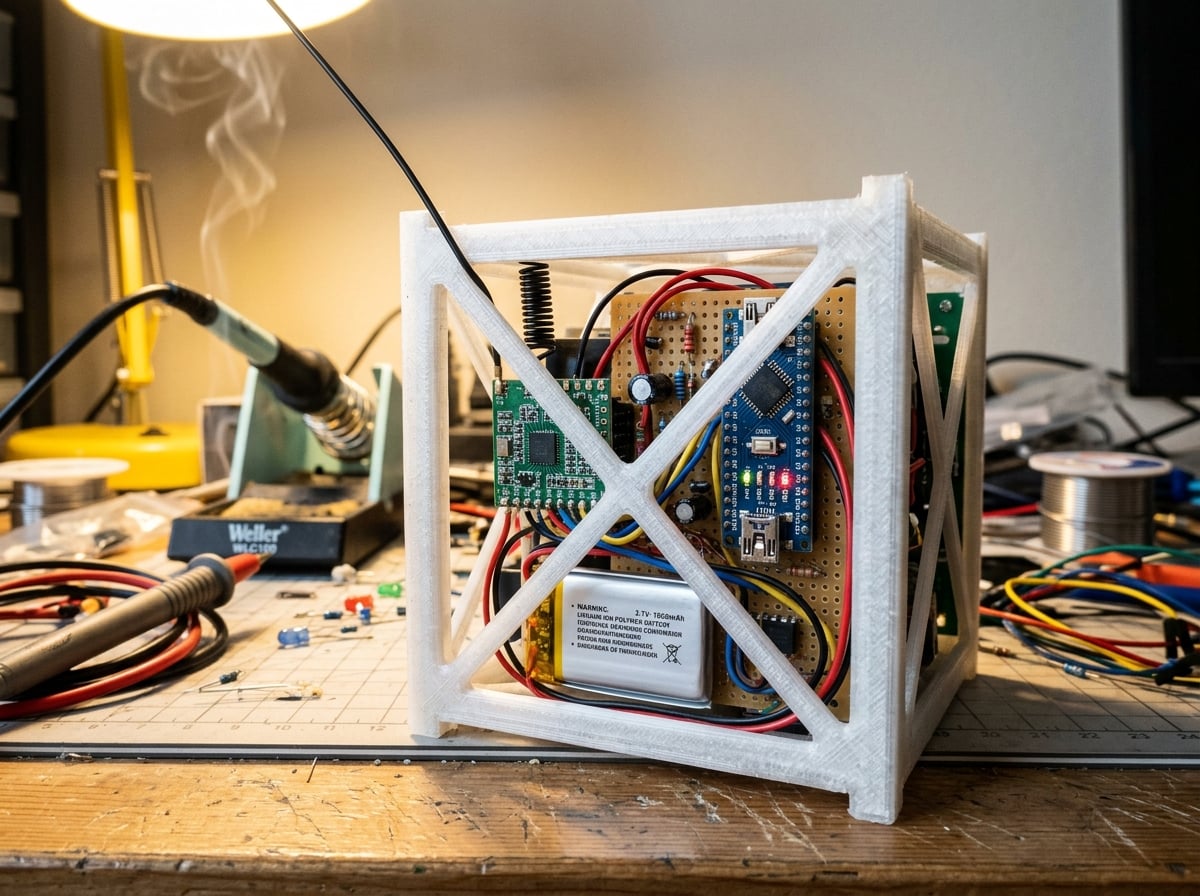
IoT Relay Node
Built this as my third-year project. The whole thing cost about £70 and I printed the frame overnight on the department's Prusa. It actually picks up LoRa packets from the campus weather station when we do range tests from the roof. Defiant's RF calculator saved me weeks of antenna maths.
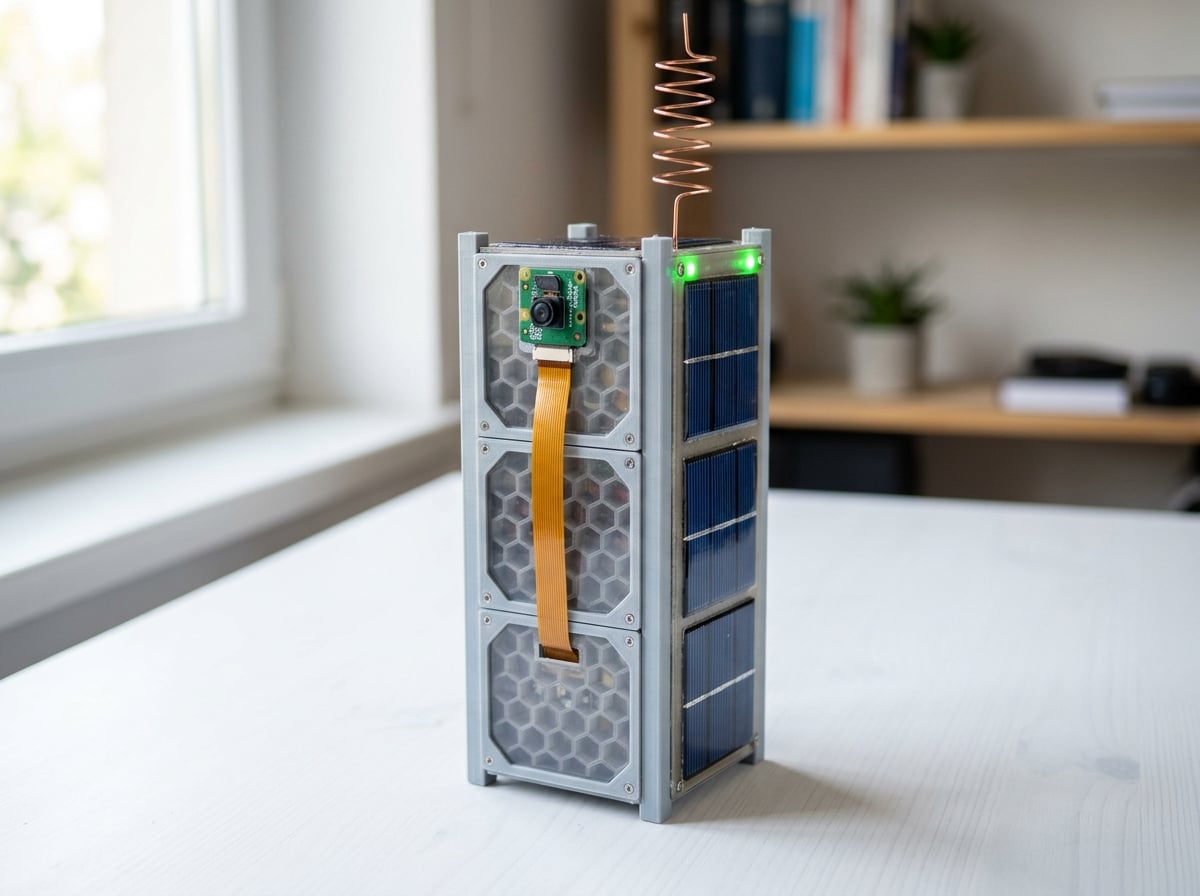
Earth Observer
We use these 3U builds to teach secondary school students satellite systems. The kids design their missions on Defiant, then we print and assemble together. Seeing a 15-year-old wire up their own Pi camera to a CubeSat frame — that's when you know space education is working.
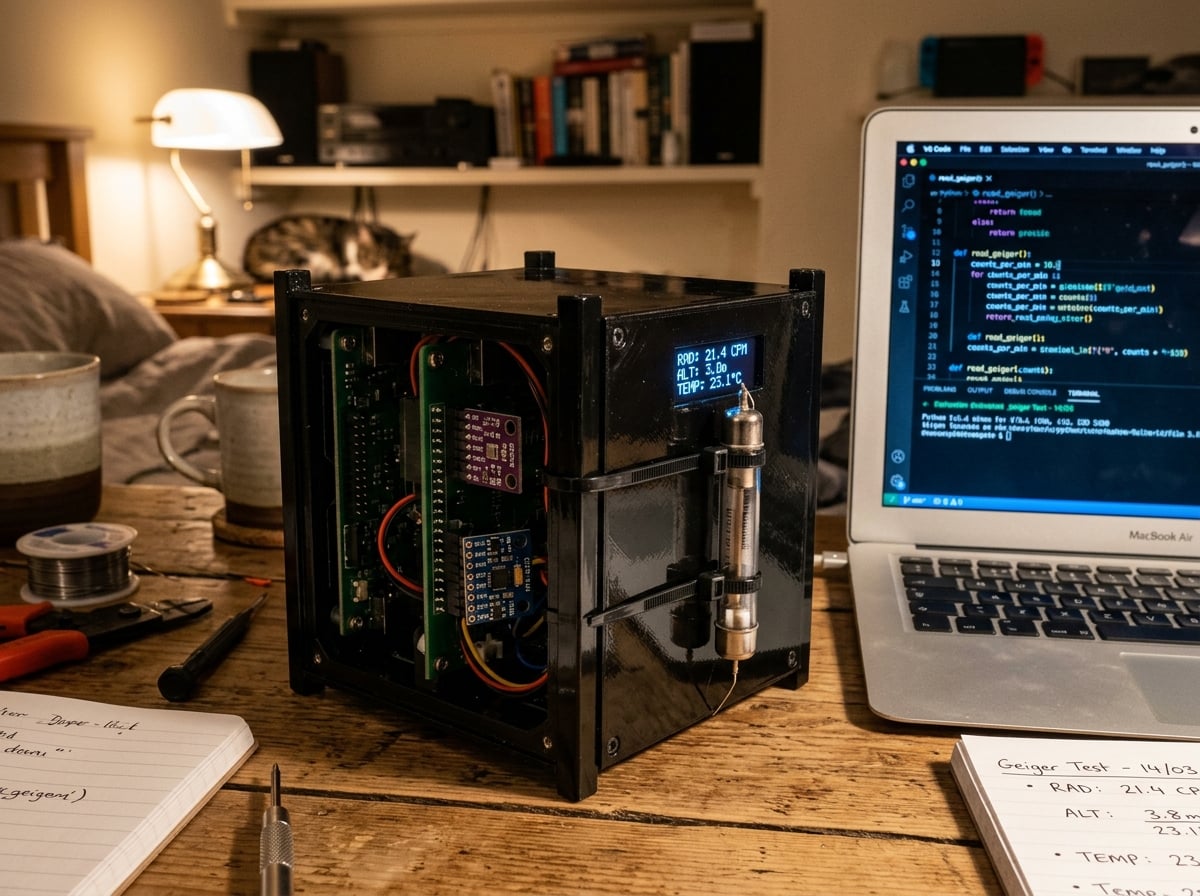
Radiation Monitor
Our physics department needed a cheap radiation mapping payload for a balloon flight. Designed the whole thing in Defiant in one afternoon, printed the PETG frame, and had it flying at 30 km altitude within a fortnight. The Geiger tube data matched our expensive lab equipment to within 8%.
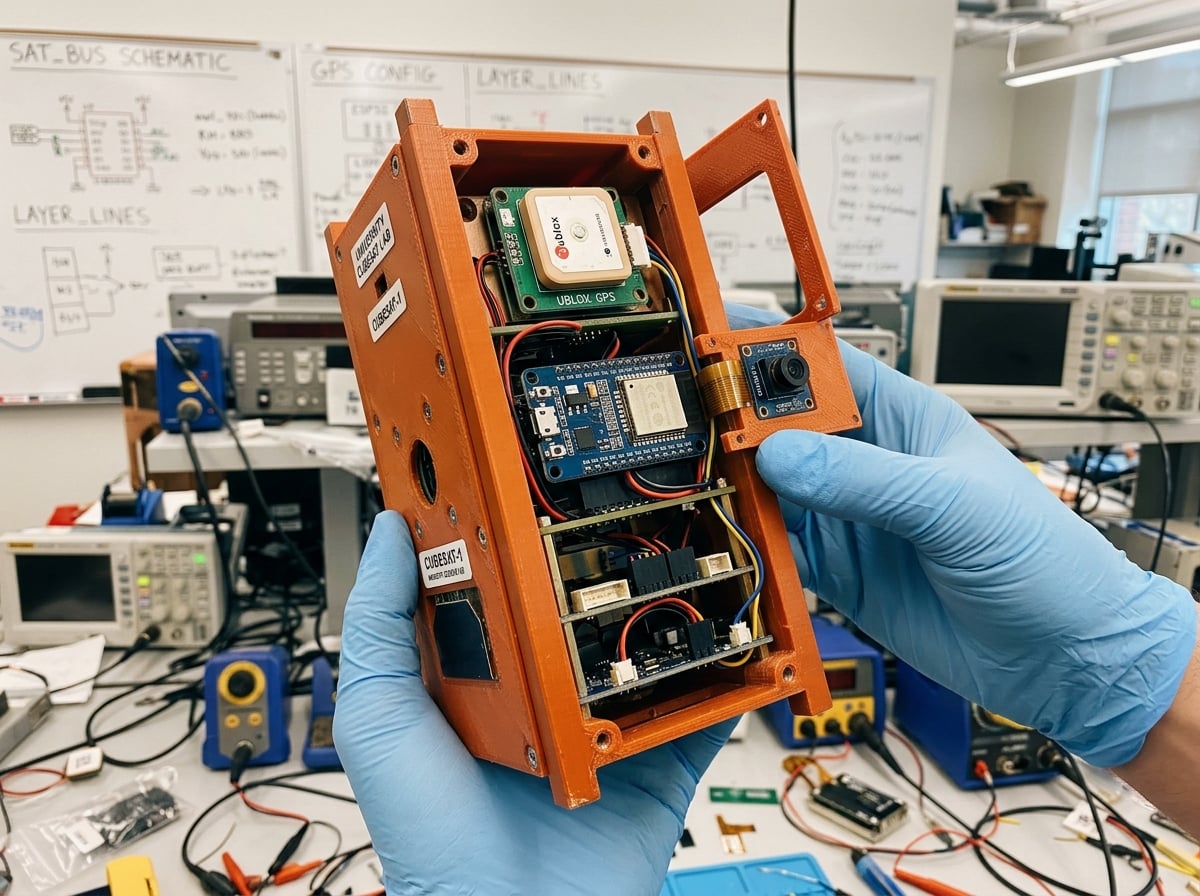
Tech Demonstrator
This is our Swiss Army knife — GPS, camera, LoRa radio, and an ESP32 flight computer all in one 3U stack. We've built six of these now for different research groups. The assembly guide from Defiant means even first-years can build one without supervision. Absolute game-changer for our lab.
Comms Testbed
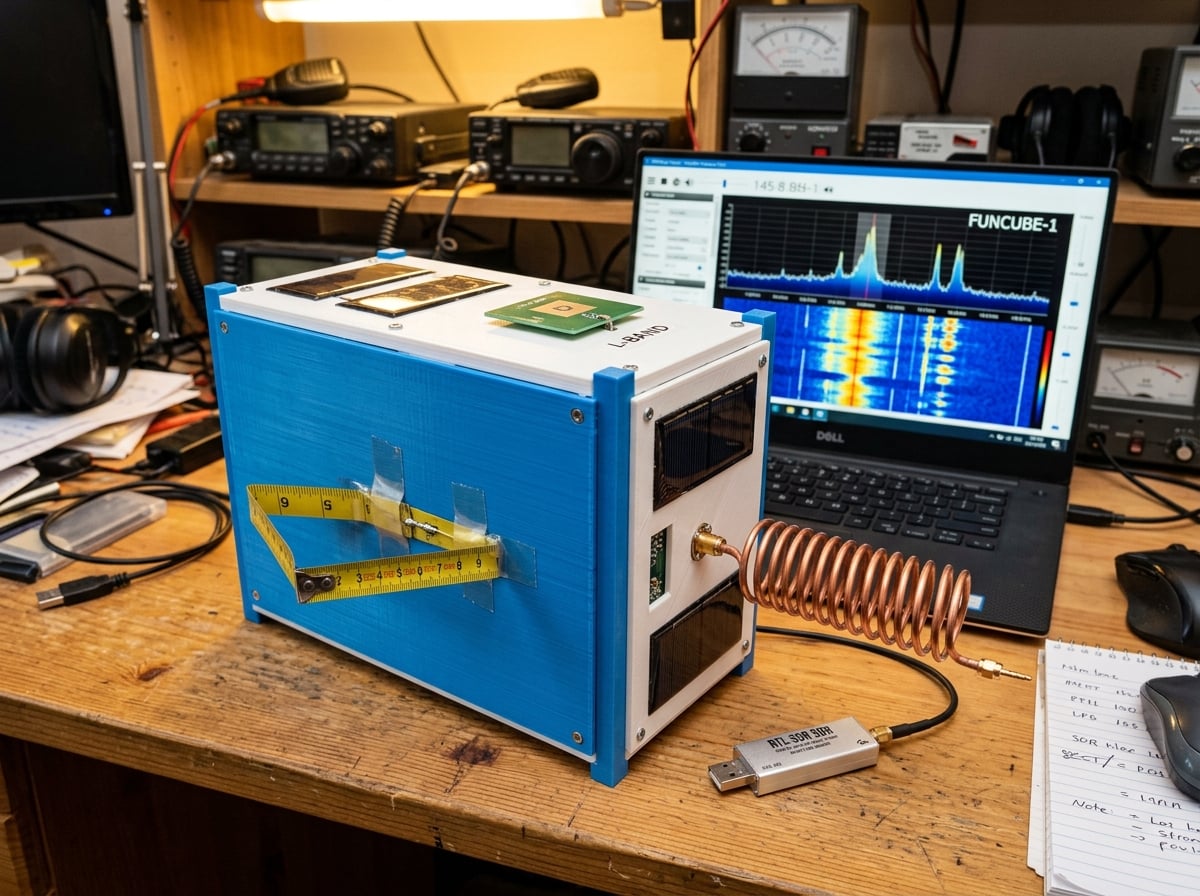
We needed a demonstrator for our amateur radio workshops. This 6U build has three different antenna configs so we can show students the difference between UHF, VHF, and S-band. The link budget tool in Defiant is genuinely better than some of the commercial software I've used professionally.
Space Weather Monitor
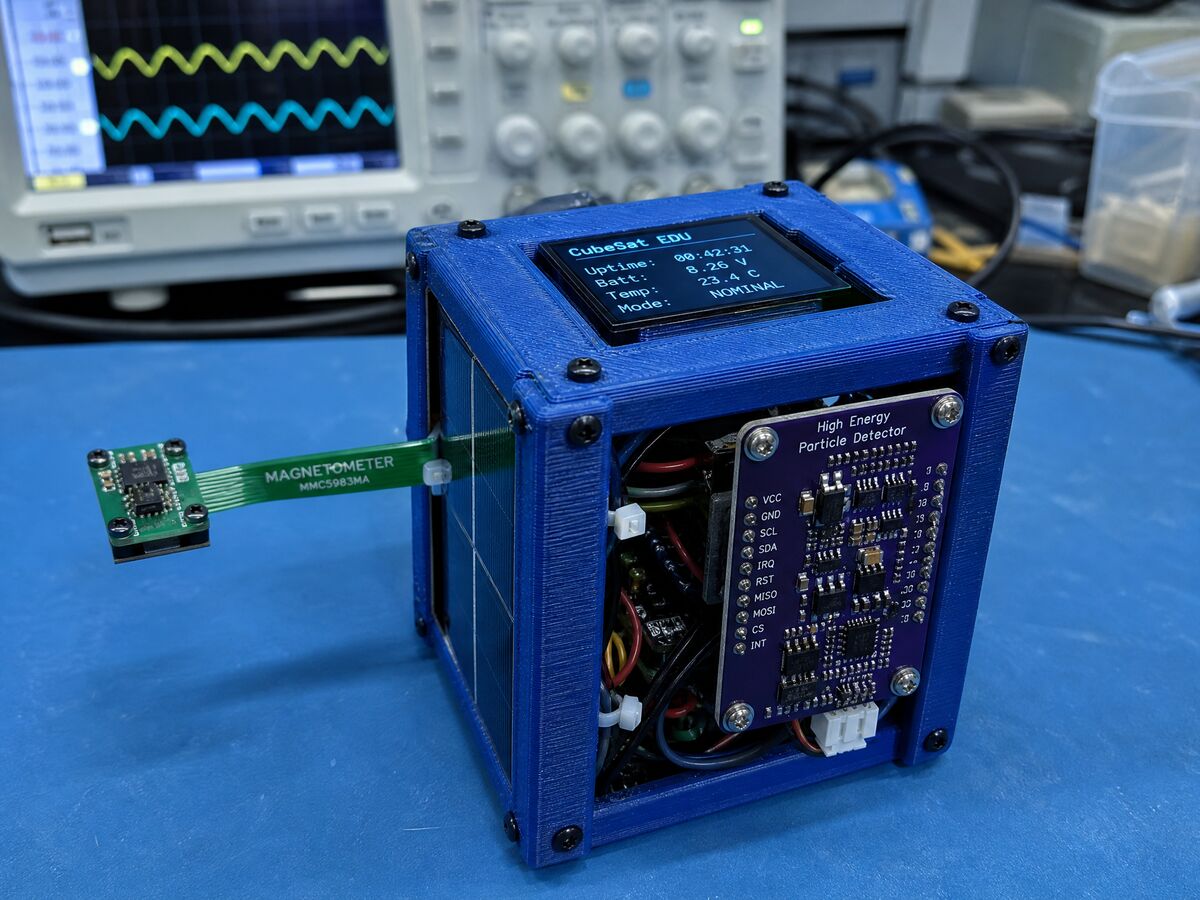
We fly these on sounding rockets to characterise the magnetosphere. The magnetometer arm was tricky — we iterated through four designs in Defiant before printing the final version. At under £90 per unit, we can afford to lose them. Try doing that with a commercial payload.
ADS-B Receiver Sat
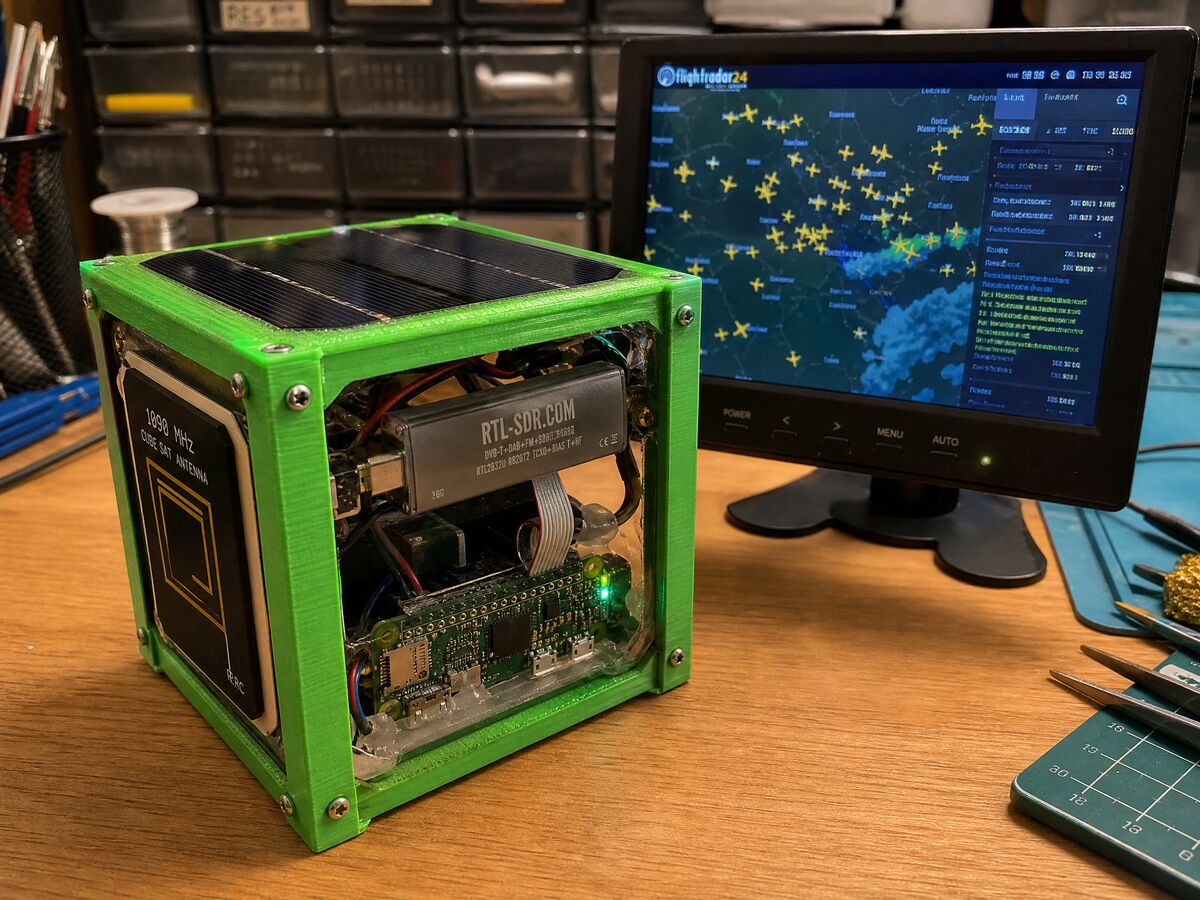
The idea was simple: can a £60 CubeSat pick up aircraft ADS-B signals from near-space? Turns out yes. We got clean 1090 MHz reception up to about 25 km on our balloon flight. The whole design took two evenings on Defiant. My supervisor didn't believe the BOM cost until I showed him the receipts.
Biological Experiment Pod
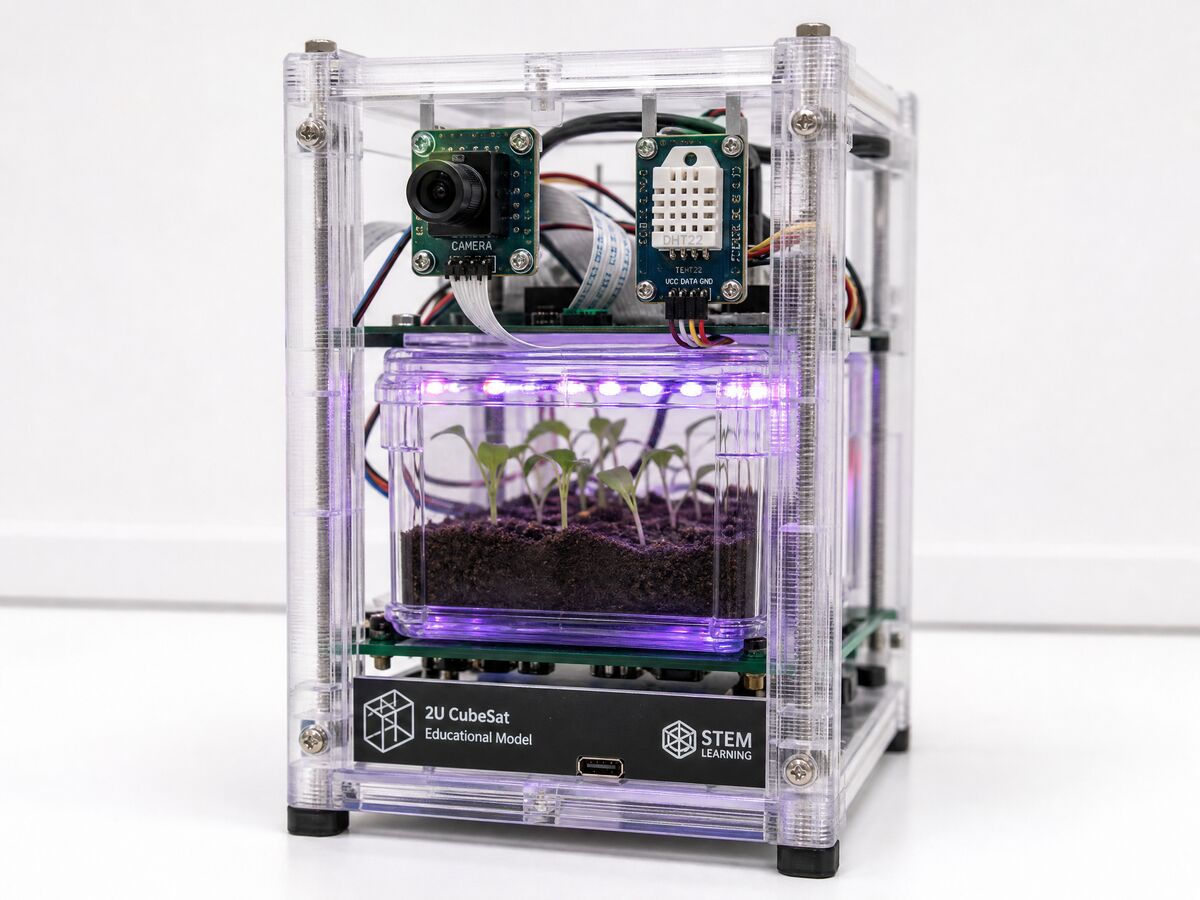
We printed the frame in clear PETG so the camera can see the seedlings through the walls. It's basically a tiny greenhouse with telemetry. Our first parabolic flight results showed the seeds germinating 12% slower in reduced gravity. Published last month in Acta Astronautica. Total build cost: £95.
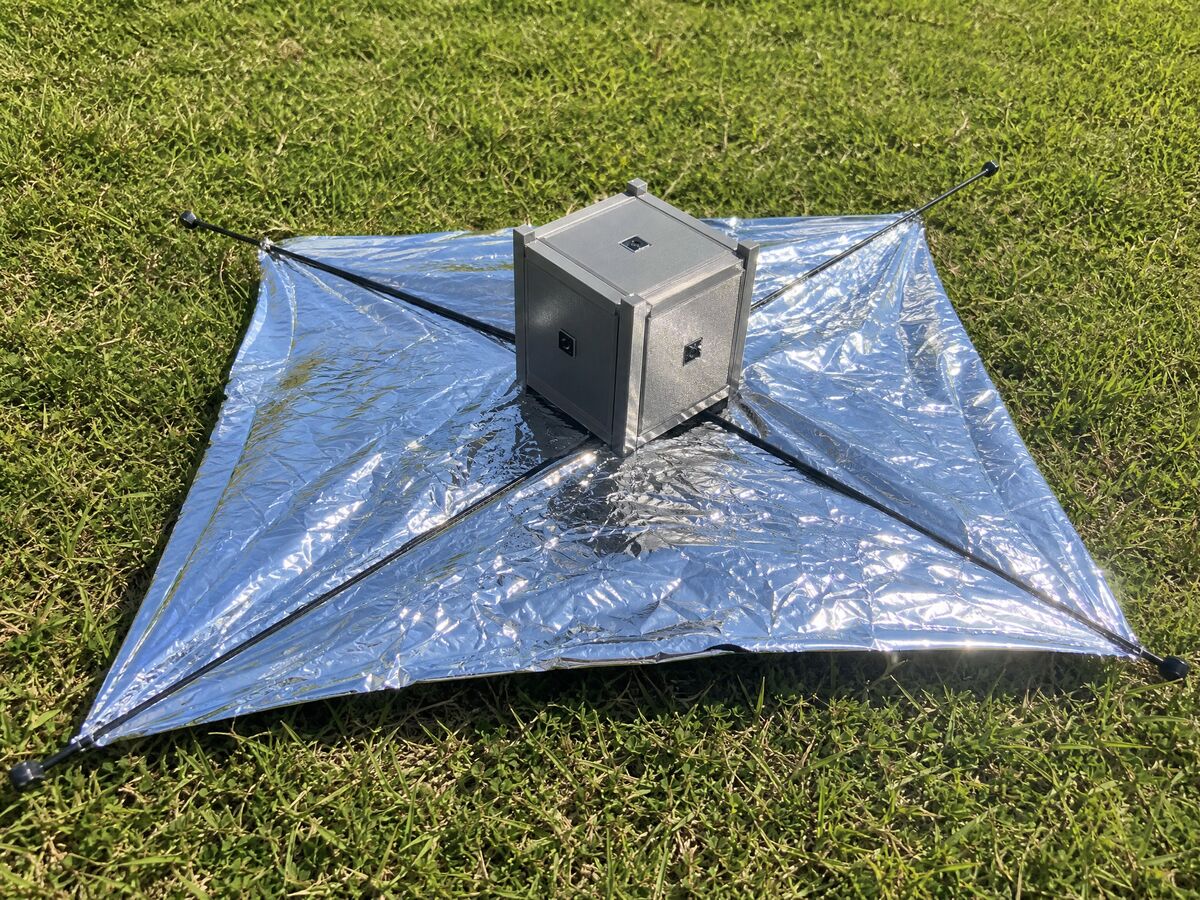
De-orbit Technology Demo
The drag sail deploys from the 1U frame using a spring-loaded mechanism — took about three prints to get the latch right. We tested it outdoors by dropping it off the engineering building roof. The mylar catches enough air that you can visibly see the drag difference. Great for teaching orbital mechanics concepts.
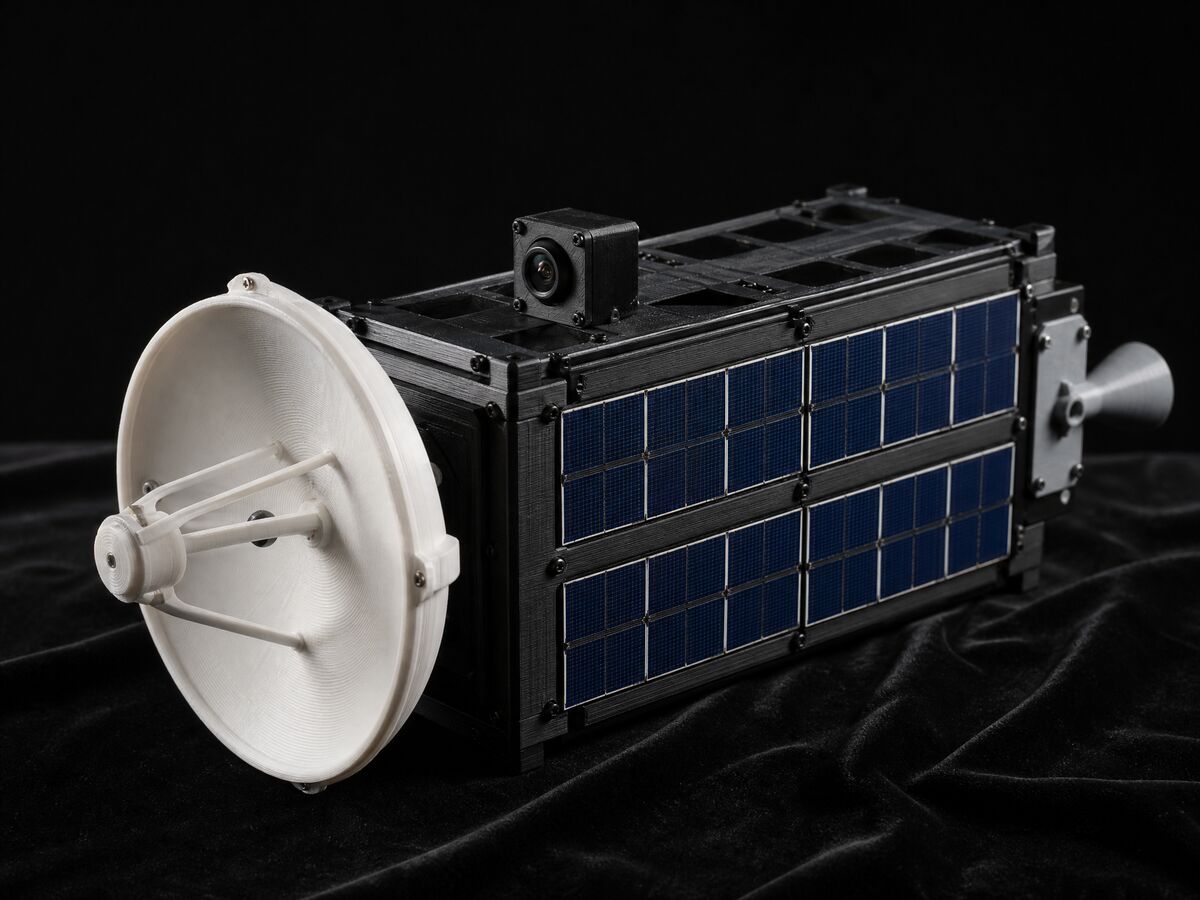
Deep Space Pathfinder
This is our flagship teaching model. We take it to schools across Europe to show children what a deep space probe actually looks like. The 3D-printed dish antenna and thruster nozzle are the parts that always get the biggest reaction. We've inspired over 2,000 students so far. Defiant made it possible to design something this complex without a CAD licence.
Built something with Defiant?
Share your project from the designer page to appear in the community gallery. Featured builds are selected monthly.
Start Building